🌿 Black Elder — a medicinal garden guardian with a rich history (Sambucus nigra) — seeds
Black elder (Sambucus nigra) is one of Europe's oldest and most valued medicinal plants. For centuries, it has grown near homes, farmsteads, and gardens, where people believed it protected the household, attracted prosperity and good fortune, and served as a true natural pharmacy.
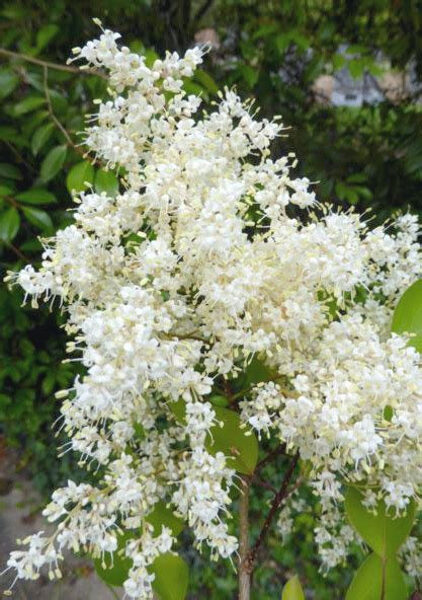
In early summer, black elder delights with large, fragrant clusters of creamy-white flowers, while in late summer and autumn it produces dark, almost black berries that have long been used for syrups, teas, jams, and other delicious treats.
This is a plant for people who want not only a beautiful shrub throughout the season, but also a story, traditions, and a connection with nature in their garden.
🌱 Seeds — hand-collected, with a story
The seeds are:
• collected from our own garden,
• naturally ripened,
• suitable for growing in Baltic and northern climates.
Growing from seed is a special process. From a tiny seed, a strong shrub or even a small tree can grow over the years and bring joy for generations.
🌍 A little history — why is Black Elder so special?
Black elder has been known throughout Europe for thousands of years. It was used by the ancient Greeks and Romans as well as medieval healers. For generations, people valued its fragrant flowers and dark berries, which were used to make various drinks, syrups, and teas.
In Scandinavia and Northern Europe, people believed that a protective spirit lived within the elder tree, guarding the home and its inhabitants. For this reason, elder was often planted near house entrances and farm buildings.
Today, black elder is popular in natural gardens, medicinal plant collections, and fruit gardens alike.
Folklore and beliefs
Particularly fascinating is the place of black elder in European folklore.
In Germanic and Scandinavian traditions, people believed that a guardian spirit — a goddess or being called Hyldemoer ("Elder Mother") — lived within the elder tree. Before cutting down the tree or removing branches, people would often ask for permission.
In many countries, it was believed that:
• black elder protected the home from evil spirits,
• it protected against lightning,
• an elder growing near the house brought good luck.
Cutting down an elder tree without good reason was considered a sign of misfortune.
Practical uses
The uses of black elder extended far beyond medicine.
It was used to:
• make flutes and whistles (thanks to the soft pith inside the branches),
• craft small tools,
• use the berries as a purple or black dye for fabrics and inks,
• prepare drinks and fermented wines from the flowers.
In England, elderberry wine has been popular for centuries.
Modern times
In the 19th century, black elder became one of the most widely described medicinal plants in European botanical literature. As science advanced, researchers analyzed its composition and discovered high levels of flavonoids, anthocyanins, and other biologically active compounds.
Today, black elder extracts are used in:
• dietary supplements,
• cold and flu syrups,
• functional foods,
• cosmetics.
🌿 How to grow Black Elder from seed
1️⃣ Seed preparation
Growing black elder from seed allows you to experience the plant's entire life cycle — from a tiny seed to a strong shrub or tree.
Black elder seeds require a cold period (stratification):
• sow seeds in a pot during autumn and leave them outdoors over winter,
• or keep them in moist substrate in the refrigerator for 2–4 months.
The easiest and most natural method is to sow the seeds in autumn and allow winter to do the work.
To protect the seeds from birds and rodents, it is recommended to cover the pot with white horticultural fleece.
2️⃣ Sowing
• Sow the seeds approximately 0.5–1 cm deep.
• Use a light, well-aerated, moist growing medium.
• Seeds germinate best at temperatures between +15 and +22 °C.
3️⃣ Germination and young plants
• Germination may take from several weeks to several months.
• Consistent moisture is important.
• Young seedlings grow relatively slowly during the first years as they develop a strong root system.
🌼 Where should Black Elder be planted?
Black elder thrives best in:
• a sunny or lightly shaded location,
• fertile, humus-rich soil,
• a place where moisture remains available for longer periods.
It grows particularly well near old homesteads, compost areas, garden edges, and fruit gardens.
🌿 What plants grow well with Black Elder?
Black elder coexists well with many garden plants and helps attract pollinators.
Good companions
Fruit trees:
• apple trees,
• pear trees,
• plum trees.
Berry shrubs:
• blackcurrants,
• redcurrants,
• gooseberries.
Perennials:
• echinaceas,
• yarrows,
• catmints,
• monardas (bee balm).
Together, these plants create a vibrant, biodiverse, and low-maintenance garden environment.
🚫 What should not be planted near Black Elder?
Black elder does not thrive:
• beneath large birch trees,
• near spruce trees,
• near large poplars,
• in very dry and sandy locations.
These plants and conditions create competition for water and nutrients.
⏳ When can you expect the first flowers and berries?
• The first flowers usually appear 3–5 years after sowing.
• With each passing year, black elder becomes more impressive and productive.
• A mature plant can reach 6–8 metres in height, sometimes even more.
🌱 Why grow Black Elder from seed?
✔ strong and deep root system
✔ excellent adaptation to local growing conditions
✔ long-lived and resilient plant
✔ medicinal, ornamental, and ecological value
✔ the special satisfaction of growing your own tree
🌿 In conclusion
Black elder is one of those plants that combines beauty, history, and practical value. It attracts bees and birds, decorates the garden with fragrant blossoms, provides berries, and becomes part of your garden's story for many years to come.
If you are looking for a plant with character, deep roots in European culture, and a place in a natural garden, black elder is an excellent choice.
🌱📦 Seeds per packet: 5 pcs.
✍️ Author: Heart Garden Studio