Ancient radish ‘Radish’ – traditional radish (Raphanus sativus) | Seeds
🥕 Ancient radish ‘Radish’ – traditional radish (Raphanus sativus) | Seeds
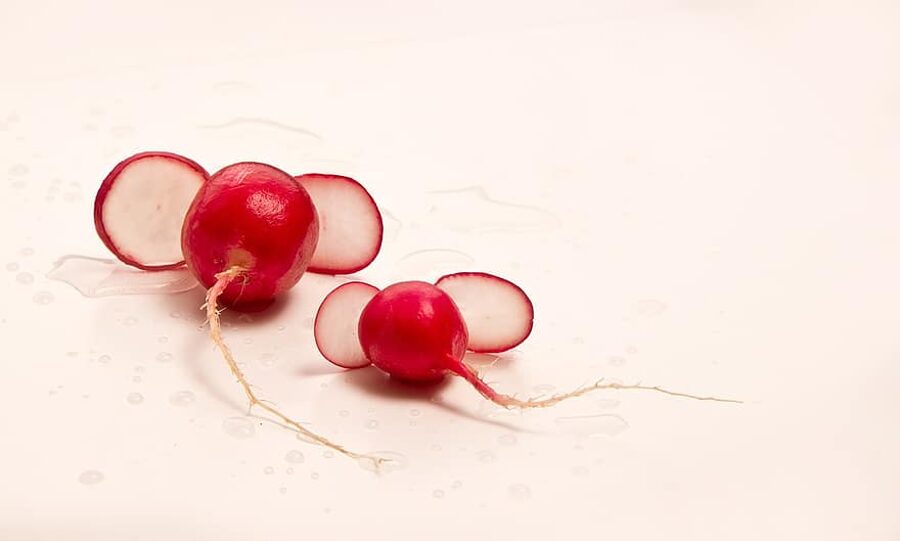
Radish ‘Radish’ is a very ancient type of radish that originated through folk (peasant) selection already before Roman times. It is not a modern hybrid, but a historically developed radish whose main value lies in fast growth, easy cultivation, and a fresh, pleasant taste. This radish supports digestion and is therefore especially suitable as a vegetable side dish for meat-based meals.
These radishes are very well suited for everyday growing, including in pots, on balconies, and on windowsills, and allow harvesting within just 14–25 days.
🌱 Variety (type) characteristics
• Latin name: Raphanus sativus
• Type: traditional, ancient, heritage-type radish
• Root: round or slightly oval, red with white flesh
• Taste: fresh, crunchy, mildly spicy (without strong sharpness when proper growing conditions are followed)
• Vegetation period for Radish radish:
o “baby” stage: 12–16 days
o Fully developed, mature radish root: 18–30 days
• Climate suitability: grows especially well in cool and temperate climatic conditions
📜 History and origin
Radishes are among the oldest cultivated plants in the world. “Radish” type radishes were grown in Ancient Egypt, Greece, and the Middle East more than 3000–4000 years ago.
They developed through peasant selection, where people from generation to generation preserved those plants that:
• grew the fastest and most easily;
• were edible early, and whose young leaves were also edible;
• provided a reliable radish harvest in cool spring conditions.
The Romans consumed this radish, documented it, and spread it throughout Europe, but it was specifically in Northern Europe that the Radish radish grew particularly well and became a beloved vegetable, also used in traditional healing as a vitamin source for weakened and ill people.
🥗 Nutritional value (per 100 g of fresh radishes)
• Energy value: 15–20 kcal
• Water content: ~95%
• Fiber: ~1.5 g
• Vitamin C: 14–20 mg
• Potassium: ~230 mg
• Calcium, magnesium: in small amounts
• Glucosinolates: sulfur-containing compounds with a digestion-stimulating effect
👉 Radish leaves contain even more minerals and vitamins than the root.
🍽️ Culinary use
● In traditional cuisine, Radish radishes are used:
• fresh with butter, cottage cheese, and rye bread;
• as a side dish to warm meals – to stimulate digestion;
• radish leaves in soups and stews (as a spinach substitute).
● Today, these radishes are used:
• pickled – quick, crunchy radishes for salads;
• fermented;
• lightly fried or blanched;
• in fresh salads.
🌿 In ancient folk traditions, radishes were used as:
• a digestion-supporting vegetable;
• a springtime strength-giving food;
• a metabolism- and immunity-stimulating, fresh, crunchy vegetable.
🌱 Growing – how to grow ‘Radish’ radishes?
● Sowing from seeds
• Sowing time:
o Northern Europe: March–May, August–September
o Southern Europe: November–February
o Indoors: year-round
• Sowing depth: 1–1.5 cm
• Plant spacing: 3–5 cm
• Suitable for growing: garden beds, raised beds, pots, boxes, windowsills
• Soil pH: 6.0–7.2
● Care
• Even moisture (very important for taste)
• A cooler environment is preferred (12–18 °C)
● Harvesting
• “Baby” radishes – from day 12–16
• Optimal harvest time is up to day 25
• Overgrown radishes become sharp, hard, and fibrous
🤝 Good companion plants for Radish radishes in the garden:
• Lettuce, spinach
• Onions, garlic, scallions
• Carrots
• Dill, coriander
🚫 Bad companion plants for Radish radishes in the garden:
• All brassicas (cabbages, turnips, arugula)
• Fennel
✔️ Why choose ancient ‘Radish’ radishes?
• Very fast harvest
• Easy to grow, even for beginners
• Suitable for growing in pots and on windowsills
• Plant of ancient origin, created through natural selection
• The entire plant is edible – root and leaves
📦 Seeds per package: 10 pcs
✍️ Author: Heart Garden Studio
🌍 Shipping: throughout Europe and internationally (worldwide)