Hurma (Persimmon) – heirloom tomato seeds from an old American variety
🍅 Hurma (Persimmon) – heirloom tomato seeds from an old American variety
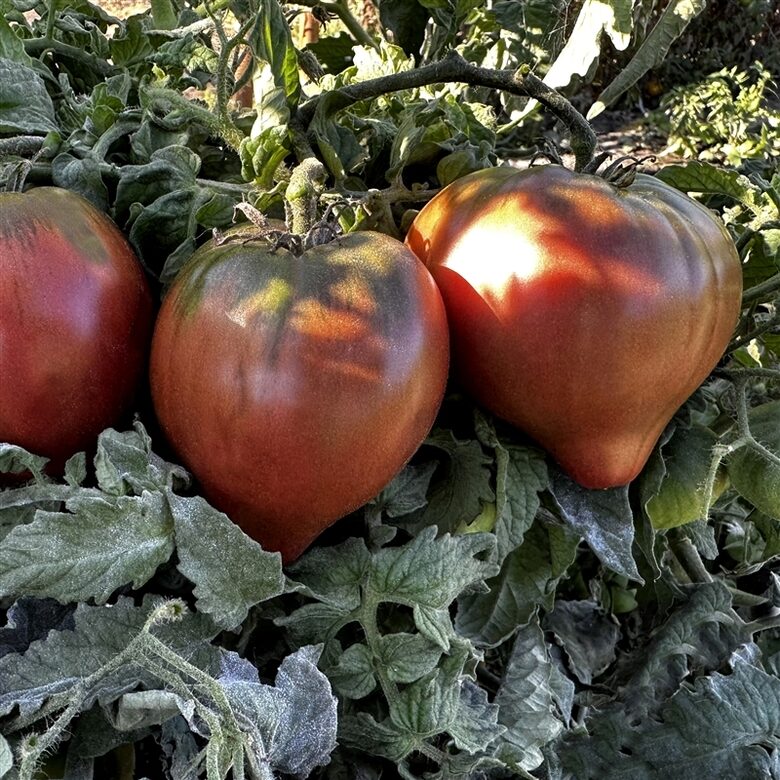
The tomato Hurma (also known as Persimmon) is an old American heirloom variety, valued for its large, sweet, bright orange fruits and creamy flesh. This variety is highly appreciated by gardeners and seed collectors because it produces vibrant, flavourful tomatoes and adapts well to growing both in a greenhouse and in the garden (especially in Southern Europe).
Hurma/Persimmon tomatoes were mentioned in several U.S. seed catalogues from the 1900s–1930s, often listed under the name Persimmon due to their orange colour.
During the Soviet era, the variety reached horticultural stations through exchange programs with American breeders. There it acquired the name “Hurma”, as its sweetness, colour and texture reminded growers of the persimmon fruit.
🌿 Characteristics of the “Hurma” variety
• Indeterminate (tall) tomato variety
• Height: 1.6–2 m
• Ripening time: 105–115 days
• Yield: approximately 5–7 kg per plant
• Self-pollinating – no additional tomato plants required
• Known under two names: Hurma / Persimmon
• A valuable American heirloom variety – a great addition to any tomato collection
🍊 Flavour profile of Hurma tomatoes
• Very sweet, with almost no acidity
• Creamy, tender, juicy flesh – children love it
• A pronounced fruity aroma reminiscent of peach, melon and orange
• Large, firm tomatoes with creamy flesh, weighing 200–400 g
Hurma is one of the sweetest and most aromatic orange beefsteak tomato varieties.
🌿 Sowing and seedling care
Sowing:
• Northern Europe: early March – mid-April.
If seedlings are kept on a windowsill, cold air from the window can cool the soil and cause damping-off or future rot issues.
If you do not use grow lights, insulate the windowsill so the soil remains evenly warm.
• Southern Europe: February–March
• Sow tomato seeds 0.5–1 cm deep
• Germination requires 22–26°C and 14–16 hours of light for strong, healthy seedlings
Seedling care:
• Prick out seedlings after 1–2 true leaves appear
• Plant deeply – up to the cotyledons
• Water moderately throughout the entire growth cycle to prevent fruit cracking
• Avoid removing side shoots or leaves during extreme heat, as exposed fruits can get sunscald
• Poor greenhouse ventilation increases the risk of rot and reduces yields
• Before planting outdoors, harden off the seedlings, but avoid cold temperatures and strong wind.
The safest method is to acclimate them in a greenhouse first.
🌞 Growing in greenhouses and gardens
🏡 Northern Europe – best grown in a greenhouse
• More stable temperature, faster and higher yields
• More intense sweetness and aroma
• Easier to control soil moisture
• In open gardens this variety may struggle due to cool summers, but it can be successfully grown in pots on warm, sheltered terraces or balconies
• Significantly lower risk of rot compared to open-ground cultivation
☀️ Southern Europe – best grown outdoors
• Strong sunlight ensures extremely sweet and aromatic fruits
• Mulching, drip irrigation and 20–40% shade cloth are recommended
• Summer temperatures inside greenhouses become too high, causing flowers to drop and reducing yields
🍽 What influences Hurma tomato flavour?
🌞 Sunlight
More sun = more sweetness and aroma.
Little sun or a shaded greenhouse = mild, watery flavour.
💧 Watering
Consistent watering creates concentrated flavour and prevents fruit cracking.
Dry soil followed by heavy watering causes cracks.
🌡 Temperature
Ideal: +24–30°C.
Warm days + cool nights = stronger aroma.
Constant heat (day and night) = weaker flavour.
🌱 Fertilisation
• Potassium enhances sweetness and fruit colour
• Calcium improves firmness and flavour concentration
• Too much nitrogen = watery fruits, lush foliage, fewer tomatoes
🌱 Seeds per packet: 3 pcs
✍️ Author: Heart Garden Studio