Diana – an early and resilient field tomato variety, tomato seeds
🍅 Diana – an early and resilient field tomato variety, tomato seeds
The tomato variety Diana is early, compact, and resilient, making it an excellent choice for growing in the garden under a wide range of climatic conditions. It produces reliably even in cool and rainy summers, forming firm and uniform fruits that are suitable both for fresh use and for preservation. Gardeners value this variety for its straightforward care, stable yield, and harmonious flavor.
🌿 Characteristics of the Diana variety
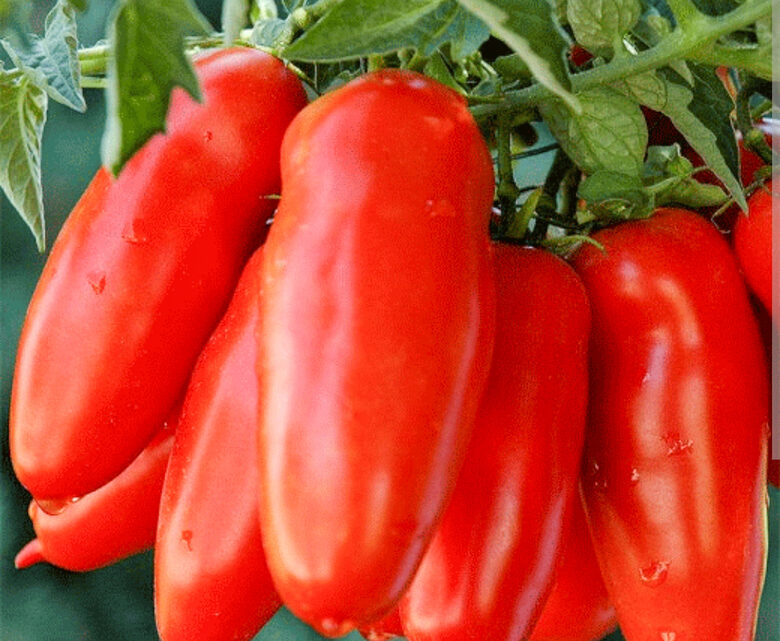
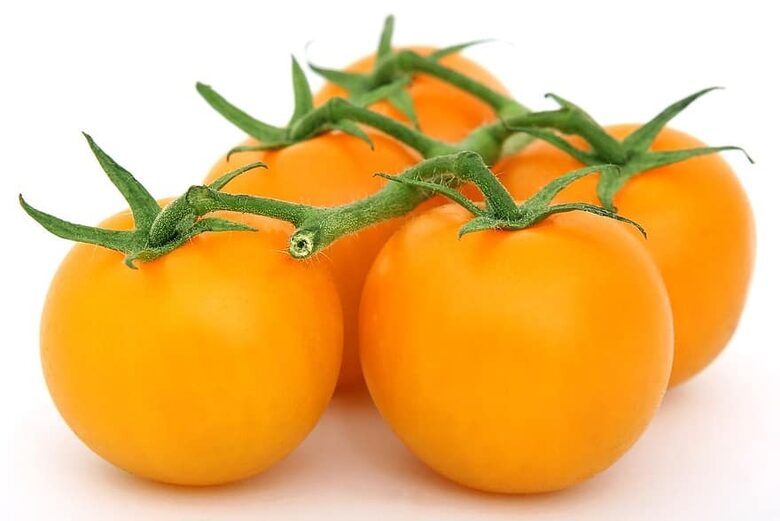
This is a determinate, low-growing tomato variety that typically reaches about 50 to 80 centimeters in height. It matures early, taking around 65 to 70 days after transplanting. In a good season, one plant can produce around two to four kilograms of tomatoes, and in particularly favorable conditions, even more. The fruits are round, bright red, medium-sized, and weigh approximately 70 to 100 grams. Diana is a very reliable field variety and is also suitable for growing in pots, on balconies, or on terraces.
🍅 Flavor of Diana
Diana has the classic flavor of a garden tomato, with a mildly sweet, balanced, and refreshing taste. It has no pronounced acidity, and the flesh is firm, juicy, and excellent for slicing. These qualities make it a versatile tomato for everyday salads, sandwiches, and preservation.
🌿 Sowing and seedling cultivation
In Northern Europe, Diana seeds are usually sown from mid-March to early April, while in Southern Europe sowing typically begins from February to March. Seeds are sown about half a centimeter to one centimeter deep, in soil that is warm (20 to 24°C) and evenly moist. When seeds are started on a windowsill, it is especially important to insulate the windowsill so cold air does not cool the soil and increase the risk of disease.
Seedlings are pricked out once the first true leaves have formed and are then transplanted deeper, up to the cotyledons. Watering should be even but moderate. Before planting outside, seedlings are hardened off for at least a week, gradually adjusting them to outdoor conditions. This variety does not require intensive removal of side shoots, as the plant grows compactly, though removing the lowest side shoots can improve air circulation.
🌞 Growing in the garden and greenhouse
In Northern Europe, Diana grows best outdoors or under a light film cover, where it produces a stable and early harvest. This variety has a low risk of rotting and copes well with frequent rain and cooler summers.
In Southern Europe, Diana thrives particularly well in the open garden, where abundant sunshine gives the fruits a pleasantly rich flavor. During hot periods, mulch and light shading are recommended to prevent the roots from overheating. When growing tomatoes in a greenhouse, excessive summer heat may cause blossoms to drop.
🍽 Development of flavor and quality
Diana’s flavor is most influenced by sunlight, moisture, and temperature. The more sun the plant receives, the stronger the sweetness and aroma become. Even watering helps maintain firm flesh and prevents fruit cracking. This variety performs best at temperatures between 20 and 28 degrees Celsius. Potassium and calcium are desirable in fertilization, as they enhance sweetness, color, and firmness. Excessive nitrogen should be avoided because it encourages leaf growth at the expense of fruit development.
🍴 Culinary use
Diana is an excellent choice for preservation, as its fruits are firm, uniform, and keep their shape well. When dried, the flavor becomes more concentrated while the flesh maintains its structure. This variety is also ideal for freezing, especially for tomato purée, sauces, and soups. Fresh, it is perfect for salads and sandwiches, as well as for baking and cooking.
🧺 Storage
After harvesting, Diana tomatoes keep for about five to seven days at room temperature. In a cool room, they last ten to fourteen days, and in the refrigerator up to two or three weeks. Cold storage slightly reduces flavor intensity, but because of its firm flesh, this variety stores well and is suitable for longer keeping.
The package contains 3 seeds.
✍️ Author: Heart Garden Studio
tomato seeds, Diana tomato, Diana tomato variety, early tomatoes, field tomatoes, tomato sowing, tomato growing, garden seeds, tomato varieties, vegetable garden