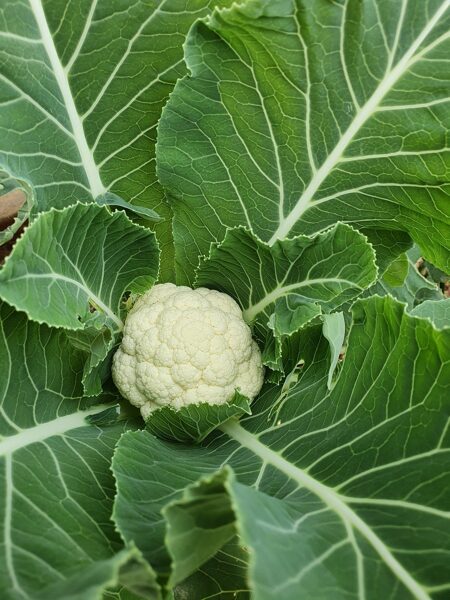
Chives – the first herb of spring
🌿 Chives – the first herb of spring
Chives are one of the first herbs to awaken in spring, sending up fresh, tender shoots that bring flavor, color, and a breath of freshness to the garden and kitchen alike.
With their violet-pink blooms and compact, tufted growth, chives are both a culinary delight and a decorative garden accent, adding a gentle spring onion note to every dish.
This ancient herb has developed through natural selection and has been a faithful companion to people for centuries – offering essential vitamins and minerals after long winters and marking the joyful return of spring.
🪴 Botanical description
Height: 25–40 cm
Type: Perennial, hardy herb with compact bulbous clumps
Leaves: Narrow, hollow, bright green, tender and aromatic
Flowers: Globular, violet to pink, blooming abundantly from May to July
Aroma and taste: Mild, fresh, with a delicate spring onion note
Chives thrive in garden beds, pots, and windowsills, as well as on terraces or as a border plant in decorative beds. Their dense clumps naturally suppress weeds, so chives require virtually no weeding.
🌱 Growing from seeds
If you want to enjoy fresh chives early in spring, start with chive seeds!
Sowing time:
March–April indoors or May–June directly outdoors.
Soil requirements:
Moderately moist, fertile, well-drained soil.
Sowing:
Sow seeds 0.5–1 cm deep, with 20–30 cm between rows. Seeds germinate in 10–20 days at +15…+20 °C.
Transplanting:
Plant outside after the last frost, spacing plants 10–15 cm apart.
Care:
Water regularly, especially during dry spells.
Chives don’t need weeding – their thick clumps crowd out unwanted plants.
Cut leaves 2–3 cm above the soil every few weeks to encourage new growth.
Every 3–4 years, divide and replant the clumps to maintain strong growth, as older ones tend to become woody.
📦 Packet contains: 5 seeds
🌾 Nutritional value and health benefits
Chives are rich in vitamins and minerals, making them especially valuable after winter.
Fresh chives provide plenty of vitamins C, A, and K, as well as iron, calcium, magnesium, and potassium.
💚 Health benefits of chives:
-
Strengthen the immune system and restore vitality
-
Aid digestion and metabolism
-
Have natural antibacterial and detoxifying effects
-
Enhance appetite and give dishes a fresh, spring flavor
🌸 In the garden and kitchen
Chives are both useful and beautiful – their flowers attract bees and bumblebees, while their natural compounds repel pests and protect nearby plants.
They grow well with strawberries, tomatoes, carrots, and roses.
In the kitchen, chives are a symbol of freshness – add them to salads, cottage cheese, soups, omelets, and sandwiches to bring a gentle spring onion flavor.
For the best taste, add freshly cut chives just before serving.
❄️ Winter hardiness
Chives are extremely hardy, tolerating temperatures down to –30 °C.
No special winter protection is needed; they regrow naturally each spring.
They also thrive in pots on windowsills, offering greenery year-round.
🧺 Harvesting and storage
Harvest when leaves reach 20–25 cm tall.
Best enjoyed fresh, but chives can also be frozen or mixed with butter or oil for long-term storage and flavor preservation.
✍️ Author: Heart Garden Studio